
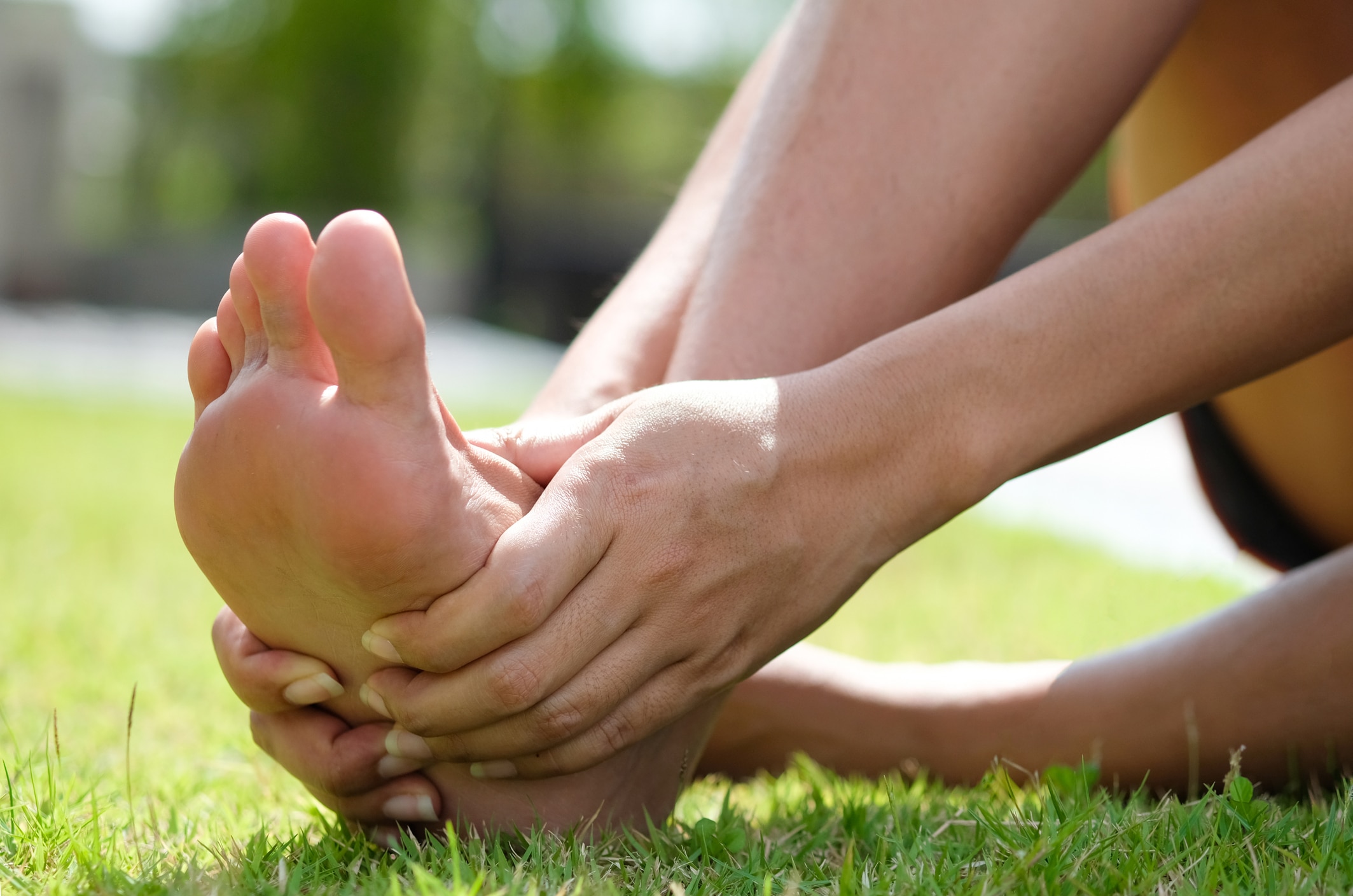
A hammertoe develops when one of the smaller toes begins bending abnormally at its middle joint, creating a curled appearance that can become stiff over time. Spotting the change while the toe is still flexible may give you more nonsurgical choices.
Union County Orthopaedic Group provides foot and ankle care, including hammertoe treatment, in Linden, Clark, and Union, NJ. Among its physicians is Irene K. Labib, DPM, MS, FACFAS, who is board-certified in foot surgery by the American Board of Foot & Ankle Surgeons and is a Fellow of the American College of Foot and Ankle Surgeons. She treats foot and ankle concerns in both children and adults.
What Are the Early Signs of Hammertoe?
Hammertoe often develops gradually. At first, you might still be able to straighten the affected toe with your hand. As the muscle and tendon imbalance progresses and the joint becomes less flexible, the toe can gradually become stiffer.
Early symptoms may include:
- A toe that’s beginning to curl or bend at the middle joint
- Pain or tenderness when wearing shoes
- Redness or swelling around the affected joint
- Corns or calluses where the bent toe rubs against footwear
- Increasing stiffness or difficulty moving the toe
Hammertoes most often affect the smaller toes rather than the big toe. Shoes with a narrow toe box can worsen crowding and pressure on the toes, while foot structure, muscle imbalance, bunions, arthritis, and other factors may also contribute.
Can Hammertoe Be Treated Without Surgery?
Flexible hammertoes can often be managed with conservative care. Potential solutions include shoes with a wider, deeper toe box; padding or cushioning; toe spacers or splints; exercises to maintain flexibility; and orthotics when underlying foot mechanics contribute to symptoms.
These measures may relieve pressure and discomfort, but treatment depends on how far the deformity has progressed and what’s causing it.
When Does Hammertoe Need Surgery?
As hammertoe progresses, the joint may become rigid and stay bent even when you try to straighten it. Surgery might be considered when pain continues despite nonsurgical care, the deformity interferes with walking, or a rigid toe causes persistent footwear problems. The technique depends on the condition of the joint, tendons, and surrounding structures.
Getting your foot checked earlier can help identify contributing factors and determine whether any nonsurgical options can be used before the toe becomes more rigid.
Get Help for Hammertoe in Union County, NJ
A toe that keeps bending, rubbing against your shoe, or becoming more painful deserves a closer examination. Dr. Irene K. Labib and the team at Union County Orthopaedic Group care for foot and ankle conditions in Linden, Clark, and Union, NJ. Contact us today to discuss your foot concerns.
- Linden Office: (908) 486-1111
- Clark Office: (732) 388-1761
- Union Office: (908) 486-4400