
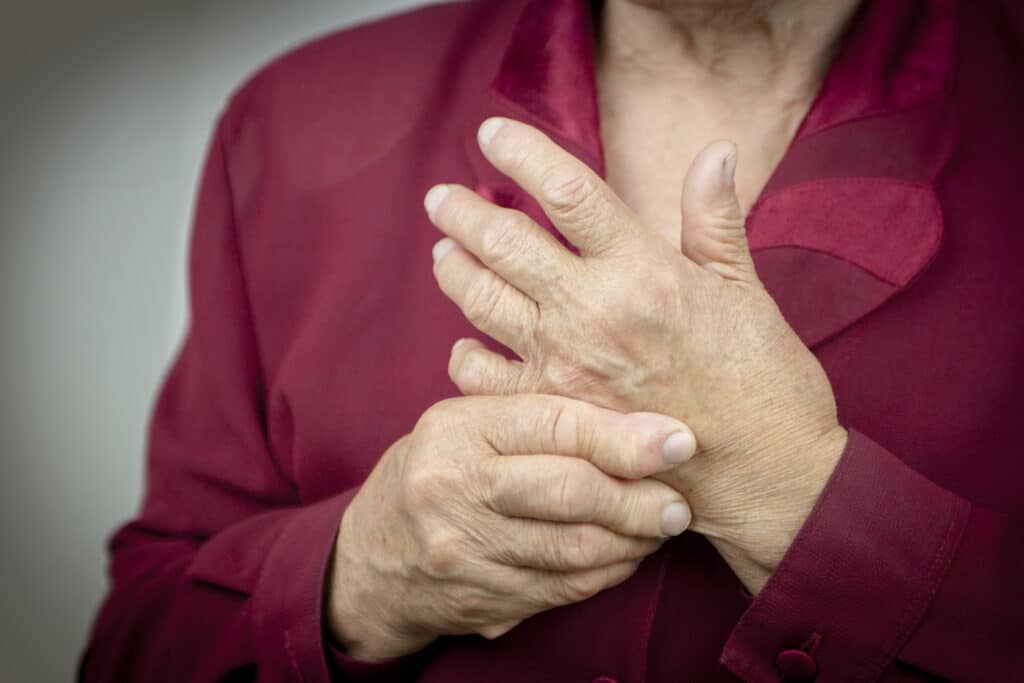
Osteoarthritis and rheumatoid arthritis both cause joint pain, but they develop for very different reasons. Many people confuse the two because symptoms can overlap in the early stages. Understanding the difference helps you recognize what is happening in your joints, so you can get the right care and feel more confident about your treatment options.
At Union County Orthopaedic Group, our physicians diagnose and treat all forms of arthritis using advanced imaging, physical examinations, and personalized care plans. Our team includes board-certified orthopedic surgeons, podiatrists, physiatrists, and rehabilitation specialists who work together to support long-term joint health. With more than 50 years of serving New Jersey communities, we provide comprehensive care for patients of all ages.
Differences Between Osteoarthritis and Rheumatoid Arthritis
Although both conditions involve inflammation, the causes and patterns of pain are very different. Here are the main distinctions to help you understand how each condition affects the body:
- Cause of joint damage: Osteoarthritis results from gradual cartilage wear. Rheumatoid arthritis stems from an autoimmune response.
- Age of onset: Osteoarthritis is more common in adults over 50. Rheumatoid arthritis can appear at any age.
- Symptom pattern: Osteoarthritis pain worsens with activity. Rheumatoid arthritis often causes morning stiffness that lasts longer.
- Number of joints affected: Osteoarthritis usually affects one or two major joints. Rheumatoid arthritis often impacts multiple joints symmetrically.
- Additional symptoms: Osteoarthritis stays localized. Rheumatoid arthritis may cause fatigue, fever, and swelling in several areas.
Recognizing these differences helps guide diagnostic testing, lifestyle adjustments, and treatment planning.
How Each Condition Affects the Joints
Osteoarthritis slowly wears away cartilage, which leads to bone-on-bone friction. This may cause swelling, stiffness, and reduced range of motion. Rheumatoid arthritis attacks the joint lining, causing inflammation that can damage cartilage and bone if left untreated. Both conditions can limit mobility, but rheumatoid arthritis progresses more quickly without medical care.
Your doctor may order X-rays, blood tests, or imaging scans to confirm which type of arthritis you have and determine the best plan for relief.
Treatment Options for Arthritis Symptoms
Arthritis treatment depends on the type of arthritis and the severity of symptoms. Many patients benefit from noninvasive options before considering surgery:
- Targeted medications: Anti-inflammatory medicines help reduce pain. Rheumatoid arthritis may require specific drugs to calm the immune system.
- Physical therapy: Improves mobility and strength while reducing stress on affected joints.
- Lifestyle improvements: Weight management, supportive footwear, and low-impact exercise may ease symptoms.
- Injections: Corticosteroid or gel injections may reduce joint pain in some cases.
- Surgical care: Severe damage may require joint fusion or replacement.
Your provider will discuss the most helpful options based on your symptoms and medical history.
Get Expert Arthritis Care in Union County
If joint pain is affecting your comfort or mobility, expert evaluation can give you answers and relief. Union County Orthopaedic Group treats arthritis at all of our locations:
- Linden Office: (908) 486-1111
- Clark Office: (732) 388-1761
- Union Office: (908) 486-4400
- OrthoNJ Physical Therapy Union: (908) 486-4457
- OrthoNJ Physical Therapy Clark: (908) 486-4457