
Severe shoulder arthritis can turn simple movements such as getting dressed, reaching into a cabinet, or sleeping comfortably into daily challenges. When joint damage becomes advanced and nonsurgical treatments no longer provide enough relief, shoulder replacement may reduce pain and restore useful movement. Learning how shoulder replacement works and why different implant types are used can help you understand your choices.
Union County Orthopaedic Group has cared for New Jersey patients since 1966. Board-certified orthopedic surgeon Mina Abdelshahed, MD, focuses on shoulder and elbow surgery and performs several forms of shoulder replacement, including anatomic and reverse total shoulder replacement.
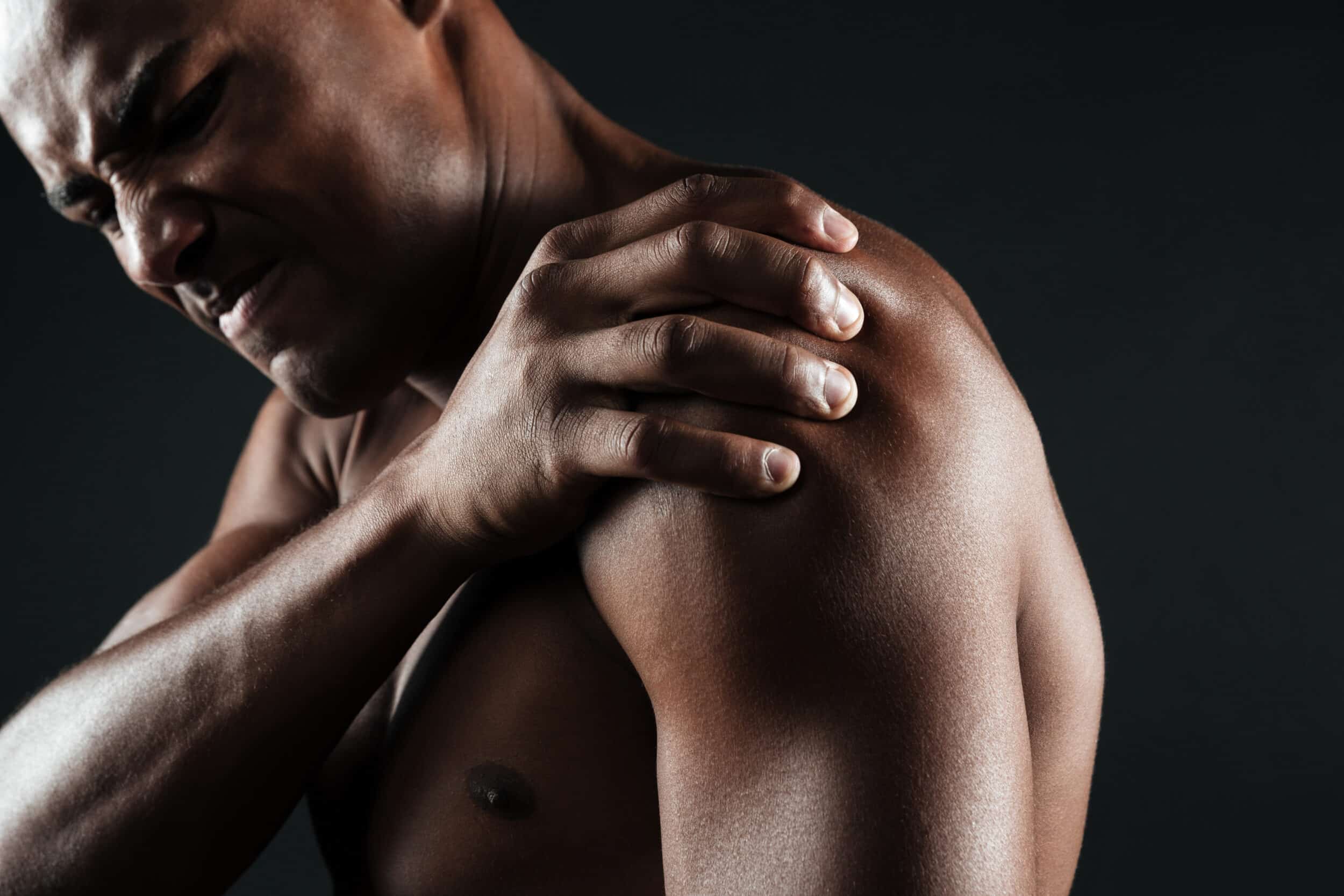
What Is Shoulder Replacement?
Shoulder replacement, also called shoulder arthroplasty, replaces or resurfaces one or more affected joint surfaces with artificial components.
Different procedures are available depending on the condition of the joint, rotator cuff, bone, and surrounding tissues. Common approaches include:
- Anatomic total shoulder replacement
- Reverse total shoulder replacement
- Humeral head resurfacing
- Stemless or short-stem replacement
- Revision shoulder replacement
Your surgeon will consider the source and extent of your shoulder damage to determine the most appropriate option.
Who May Need Shoulder Replacement?
Shoulder replacement is generally considered when severe joint problems cause ongoing pain and loss of function despite nonsurgical treatment.
Conditions that might lead to replacement include:
- Advanced osteoarthritis
- Certain inflammatory forms of arthritis
- Severe fractures
- Rotator cuff tear arthropathy
- An irreparable rotator cuff tear with major weakness
- Failure of a previous shoulder replacement
People with repairable rotator cuff tears may instead benefit from rotator cuff repair. Comprehensive shoulder care lets your physician compare surgical and nonsurgical options based on the structures causing your symptoms.
Anatomic vs. Reverse Shoulder Replacement
An anatomic shoulder replacement closely recreates the natural ball-and-socket structure. A metal ball replaces the humeral head, while a plastic component replaces the damaged socket surface. A functioning rotator cuff is generally important for this type of replacement.
Reverse shoulder replacement switches the ball and socket. This design relies more heavily on the deltoid muscle rather than the rotator cuff to raise the arm. It may be considered for severe rotator cuff damage, cuff tear arthropathy, certain fractures, or failed prior shoulder surgery.

What Is Shoulder Replacement Recovery Like?
You will typically use a sling during the early recovery period while the tissues around the shoulder heal. Rehabilitation begins with controlled movement and gradually progresses as healing allows.
Physical therapy is an important part of rebuilding motion and strength. Recovery commonly continues for several months, and your surgeon will guide your return to driving, work, exercise, and other activities.
Potential risks include infection, stiffness, instability, fracture, nerve injury, implant wear or loosening, and anesthesia complications.
Why Choose Union County Orthopaedic Group for Shoulder Replacement in Union County, NJ?
Union County Orthopaedic Group offers specialized shoulder care backed by a practice history dating to 1966. Dr. Abdelshahed treats shoulder arthritis, fractures, rotator cuff problems, and other complex conditions and performs anatomic, reverse, revision, stemless, and other forms of shoulder replacement.
The practice is also part of OrthoNJ, providing access to broader orthopedic resources while maintaining local offices in Linden, Clark, and Union. OrthoNJ offers physical therapy services in Union and Clark.
Move Beyond Severe Shoulder Pain
Shoulder replacement can provide meaningful pain relief and improved daily function when advanced joint damage no longer responds well to nonsurgical care. The right procedure depends on your diagnosis, rotator cuff function, bone quality, goals, and overall health.
Request an orthopedic appointment with Union County Orthopaedic Group in Linden at (908) 486-1111, Clark at (732) 388-1761, or Union at (908) 486-4400.